Before winter hits Pennsylvania, check your shingles, gutters and downspouts, flashing, siding, attic ventilation, tree and debris buildup, and interior ceilings and walls for warning signs. Pennsylvania’s repeated freeze-thaw cycles turn small exterior problems into costly leaks, so the best time to find them is in early fall, before temperatures stay below freezing.
Pennsylvania winters are hard on homes. Snow, ice, and temperature swings put constant stress on every exterior surface. Water gets into small gaps, freezes, expands, and widens them. This checklist helps you spot problems while repairs are still easy and the weather is still cooperative.

1. Shingles and Storm Damage
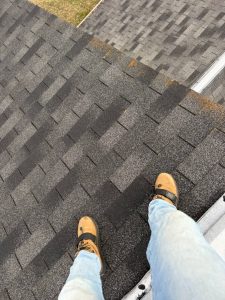
Your roof takes the worst of the weather, so start there. From the ground (use binoculars, and never climb on a roof you aren’t trained to work on), look for:
- Cracked, curling, or missing shingles
- Bald spots where granules have worn away
- Dark streaks or moss, which can signal trapped moisture
- Damage left over from summer storms, wind, or hail
Even a few damaged shingles can let meltwater reach the roof deck.
2. Gutters and Downspouts
Clogged gutters are a leading cause of winter water damage. Trapped water freezes, adds weight, and can pull gutters away from the house. Clear out leaves and debris, then check that:
- Gutters are securely fastened and sloped toward downspouts
- Seams aren’t leaking or separating
- Downspouts discharge several feet away from your foundation
3. Flashing
Flashing is the metal that seals joints around chimneys, skylights, vents, and roof valleys. These are common leak points. Look for rust, gaps, lifted edges, or dried-out sealant. Flashing problems often go unnoticed until water stains show up inside, so a close look now can save you from a surprise leak in January.
4. Siding
Siding protects your home’s structure from moisture. Walk the perimeter and check for:
- Cracked, warped, or loose panels
- Gaps at corners, windows, and doors
- Soft or discolored spots that suggest water intrusion
- Holes from pests or storm damage
Sealing gaps in fall helps keep out wind, moisture, and cold, which also supports energy efficiency.
5. Attic Ventilation
Proper attic ventilation keeps your roof surface closer to the outside temperature. Without it, heat escaping from the living space can melt snow on the roof, which then refreezes at the colder eaves. This is how ice dams form. Check that soffit and ridge vents aren’t blocked by insulation or debris. Signs of trouble include frost on the underside of the roof deck, damp insulation, or musty odors.
6. Tree and Debris Buildup
Trim branches that hang over or touch your roof, since heavy snow and ice can bring them down. Also clear leaves, pine needles, and branches from roof valleys, around chimneys, and along the roofline. Debris holds moisture against shingles and speeds up wear.
7. Interior Warning Signs
Some exterior problems show up inside first. Check ceilings, upper walls, and attic spaces for:
- Water stains or discoloration
- Peeling paint or bubbling drywall
- Musty smells
- Drafts near windows, doors, or the attic hatch
If you see any of these, don’t wait for winter to test the problem.
Why a Professional Inspection Is Worth It
A ground-level check is a good start, but trained inspectors can find damage that’s hard to see, such as failing flashing, early shingle deterioration, or ventilation issues. Catching these in fall typically means simpler repairs and fewer emergency calls once snow arrives.
Schedule an exterior inspection before freezing temperatures arrive. Call us at 855-766-3264 or fill out the form on our website.
Frequently Asked Questions
When should Pennsylvania homeowners do a fall exterior inspection?
Ideally in early to mid fall, before the first sustained freezes. This leaves time for repairs and for scheduling contractors before the busy pre-winter rush.
What causes ice dams on Pennsylvania roofs?
Ice dams form when heat escapes into the attic, melts snow on the roof, and the water refreezes at the cold eaves. Poor ventilation, inadequate insulation, and clogged gutters make them more likely.
How often should gutters be cleaned?
At least twice a year, in late spring and late fall. Homes near many trees may need more frequent cleaning.
Can I inspect my own roof?
You can do a visual check from the ground. For anything that requires getting on the roof, hire a professional for safety and accuracy.