
If you live in Franklin, Cranberry, Oil City, Seneca, or anywhere across Venango County, you felt it: the front that swept through Saturday afternoon and pushed showers and thunderstorms across the region into Saturday night. The National Weather Service office in Pittsburgh had been tracking the system for days, with a 60% chance of overnight thunderstorms and south winds gusting up to 23 mph along the Allegheny River corridor.
A storm like this isn’t the kind that takes off a chunk of your roof in one obvious moment. It’s the kind that quietly nicks shingles, peels back sealant strips, dents soft metal flashing, and clogs your gutters with granules. The damage can be there even when, from the curb, everything looks fine.
Here’s what to look at over the next few days, what to avoid doing yourself, and what to expect from a free inspection with The Exterior Company.
What Spring Thunderstorms Actually Do to Roofs in Venango County
A lot of homeowners assume hail damage means giant chunks of ice and obvious holes. In western Pennsylvania, it almost never looks like that. Most of the hail that falls across Venango County is somewhere between pea-sized and quarter-sized, and the wind that drives it does as much damage as the ice itself.
Here’s what we typically see after a storm like the one that moved through this weekend:
Bruised or fractured shingles. Hail doesn’t have to crack a shingle to ruin it. It can knock loose the protective granules, leaving the asphalt mat exposed. Once that mat is exposed, UV breaks it down fast, and you start losing waterproofing months before you’d ever notice a leak inside.
Lifted or creased shingles from wind. Sustained gusts above 20 mph, especially in clusters along ridges or open neighborhoods, can break the sealant strips that hold shingles flat. The shingle may set back down and look normal, but the seal is gone. The next strong wind will lift it again, and water will work its way underneath.
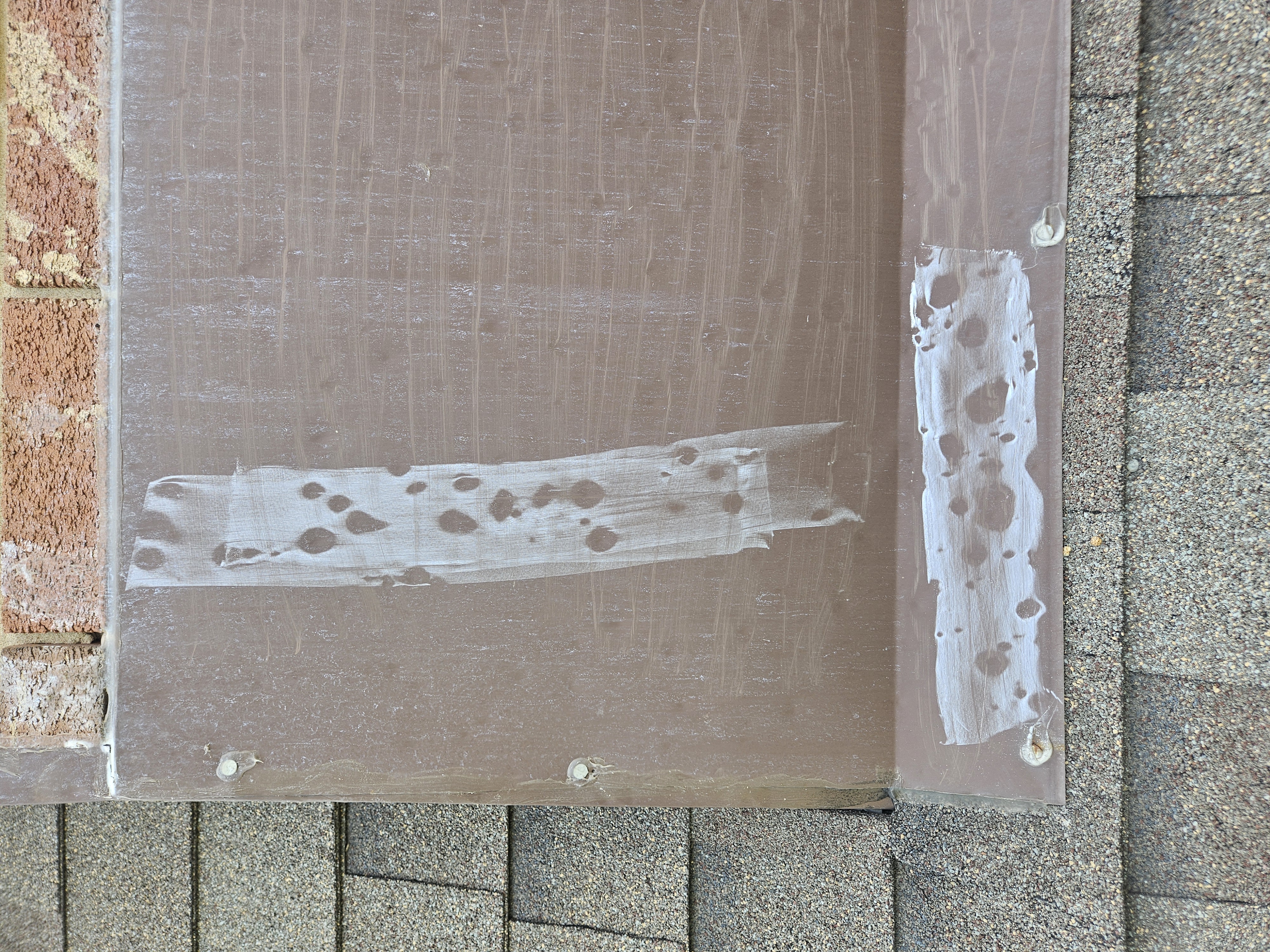
Damaged flashing around chimneys, vents, and skylights. Flashing is thin metal, and it dents and dislodges easily. These are also the most common entry points for storm-related leaks, since they sit at the seams where two roof planes meet.
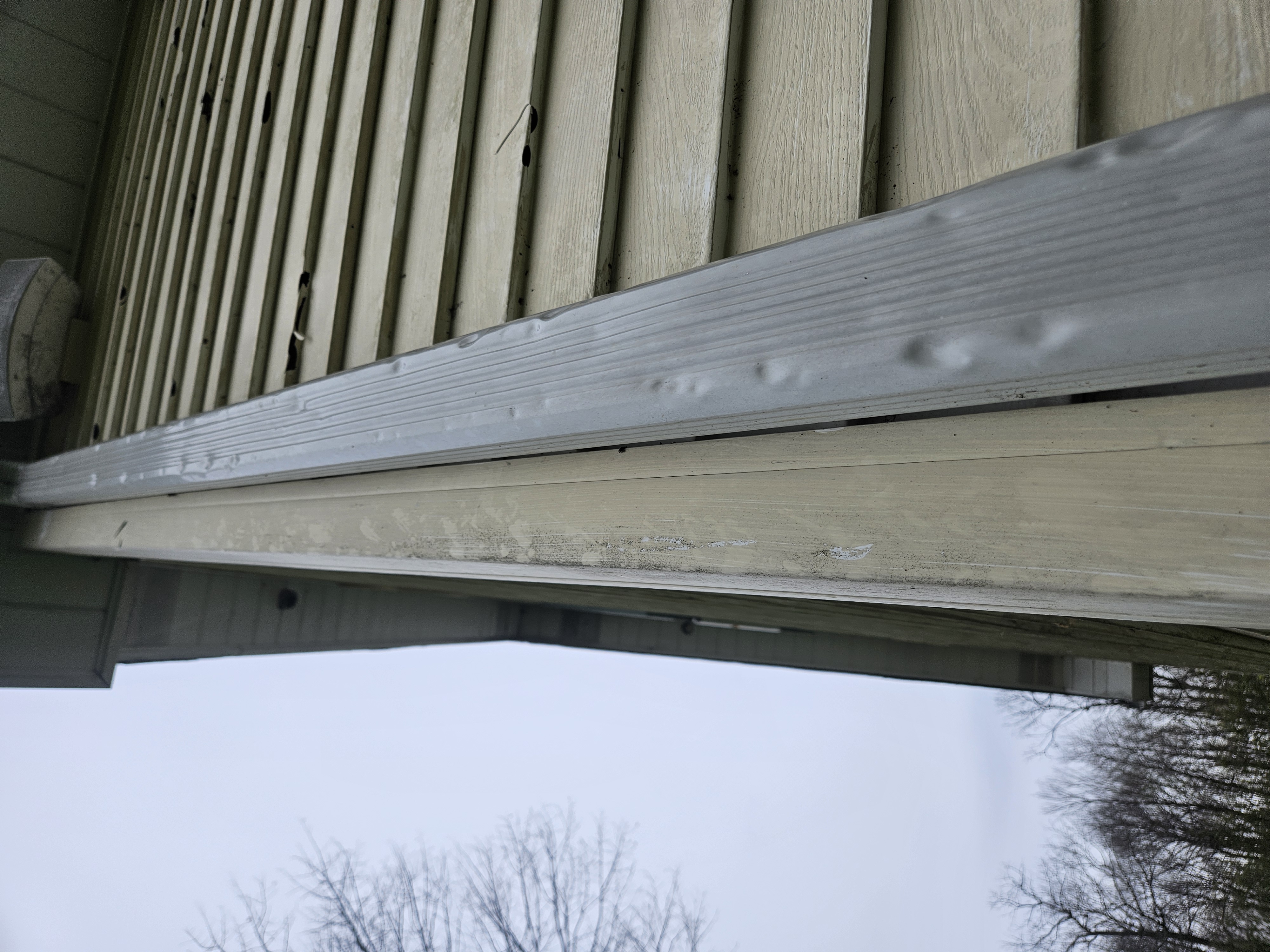
Gutter and downspout damage. Hail and wind-driven debris can dent gutters, loosen fasteners, and clog downspouts with shingle granules and tree litter. Gutters that don’t drain properly back water up onto the roof deck and the fascia, which is one of the slowest, most expensive types of damage to repair.
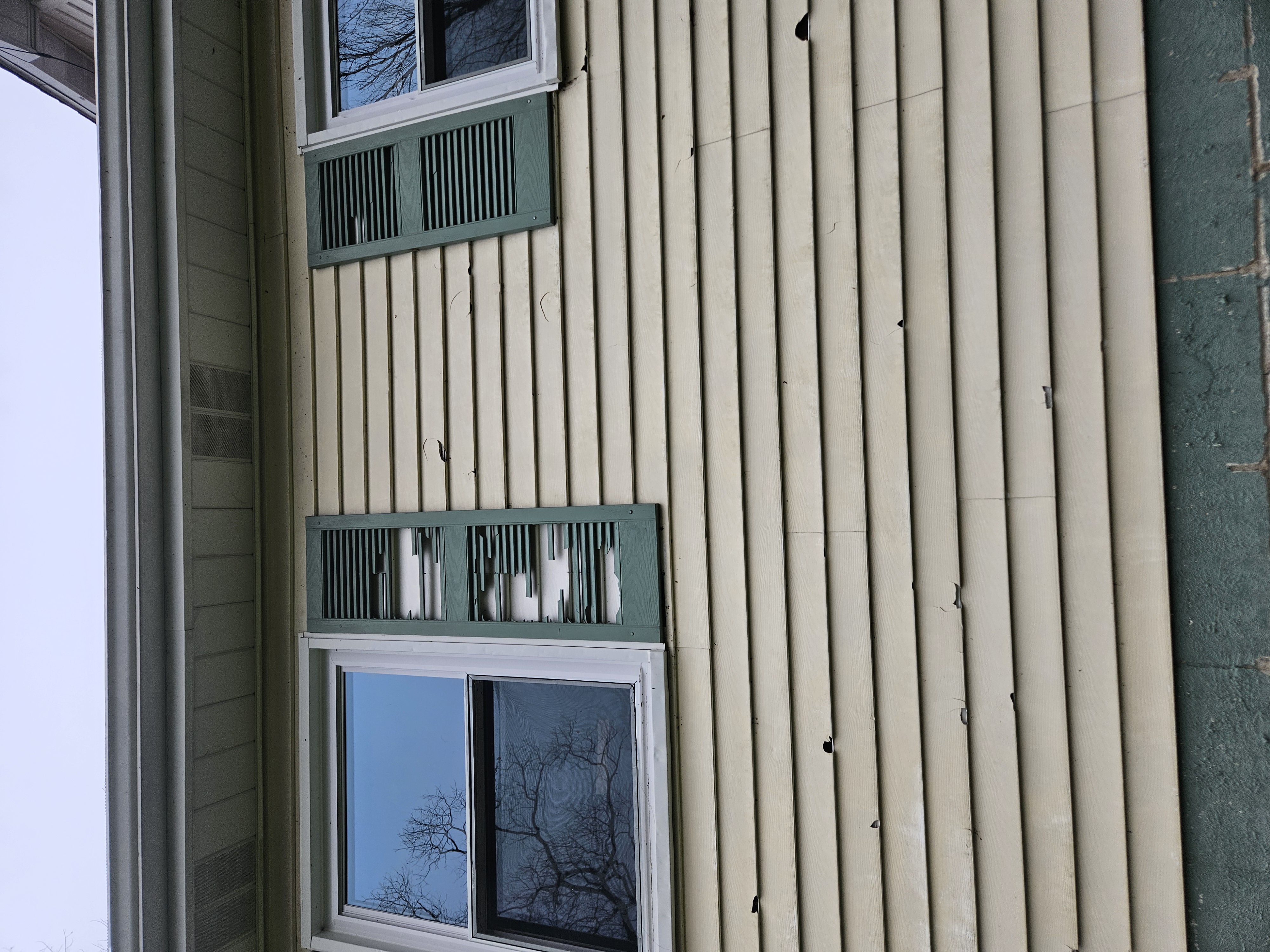
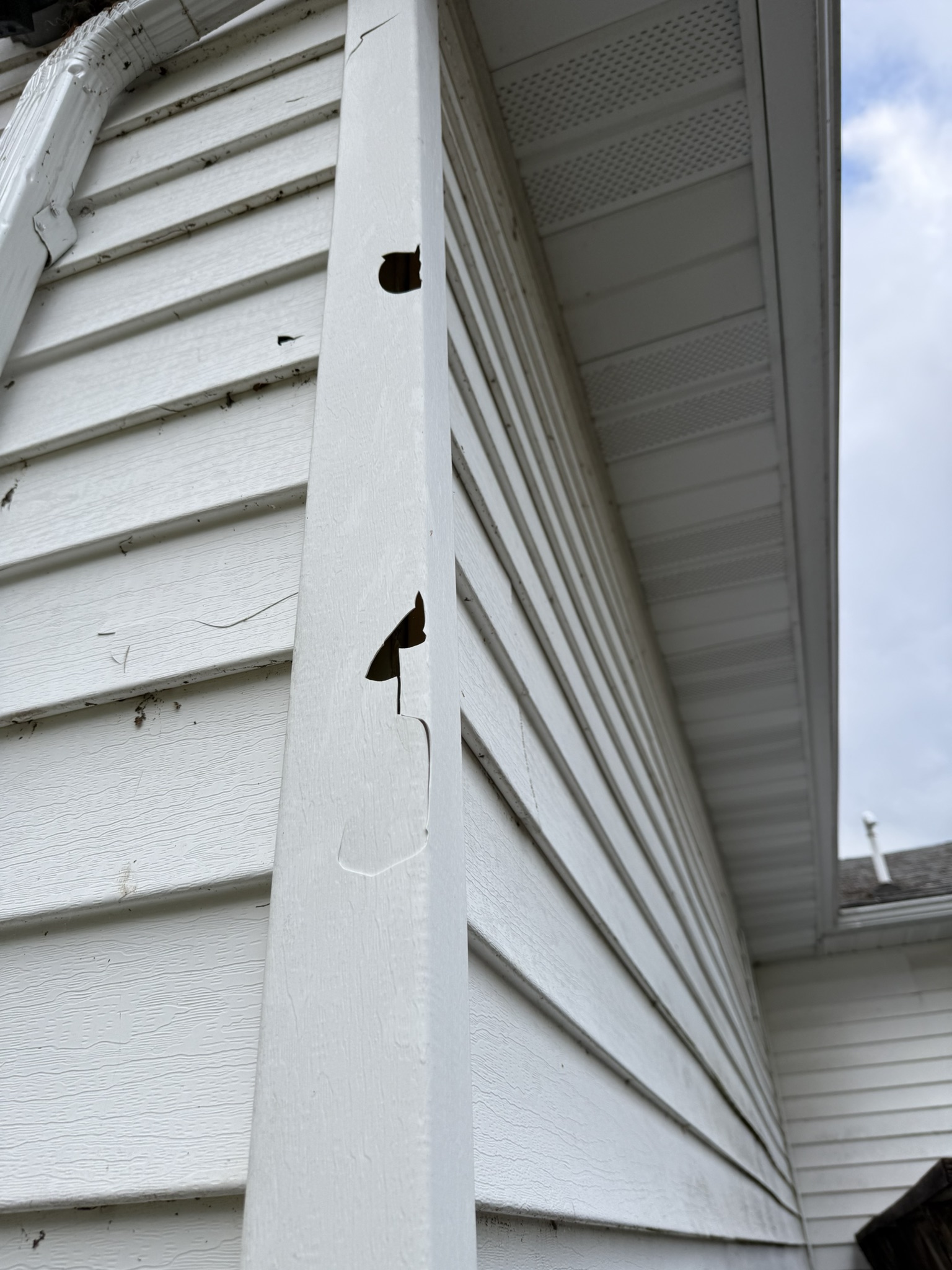
Siding and window dings. Vinyl siding can crack or chip when struck by hail, particularly older or sun-aged panels. Check the north and west faces of your house first since those usually take the brunt of springtime fronts moving in from the Great Lakes.
A Ground-Level Checklist You Can Do Today
Don’t climb on the roof. Wet shingles after a storm are dangerous, and you can do more damage walking on a stressed roof than the storm did. Everything below is doable from the ground or from inside the house.
Walk the perimeter of your home and look for:
- Shingle granules collecting at the bottom of downspouts or in the driveway. Some granule loss is normal; piles of them after a single storm aren’t.
- Shingle pieces, ridge-cap fragments, or torn flashing in the yard.
- Dents on your gutters, downspouts, AC unit housing, grill, or any soft metal surface. If you can see hail dimples on those, your roof took the same hits.
- Cracked or chipped siding panels, especially on the storm-facing side of the house.
- Window screens that look punched, dented, or torn.
- Tree limbs that fell on or near the roof, even small ones. Branches that scraped across shingles can strip granules in lines.
Then go inside and check:
- Your attic, with a flashlight. Look for fresh water stains on rafters or insulation, daylight visible at the roof deck, or any soft spots in the wood.
- Ceilings on the top floor, especially around light fixtures and ceiling fans.
- The walls near your chimney or any skylights, where flashing failures show up first.
If you find anything that concerns you, write it down with the date and take photos with your phone. Both will matter later if you file an insurance claim.
Why You Shouldn’t Wait Months to Have It Looked At
Storm damage is one of those problems that gets worse, cheaper to fix, and harder to claim the longer you wait.
In Pennsylvania, most homeowners insurance policies require that storm damage claims be filed within a year of the event, and many carriers push back hard on claims filed after that window. They’ll argue the damage came from wear, age, or a later storm. The closer your inspection is to the actual storm date, the cleaner the documentation and the smoother the claim.
There’s also the structural side. A roof with broken sealant strips, missing granules, or compromised flashing can hold up fine through May and June, then start leaking in the first heavy August downpour. By then, you’re not just replacing shingles. You’re paying for water-damaged decking, soaked insulation, and sometimes drywall and paint inside.
Getting a professional set of eyes on the roof now, while the storm damage is fresh and the weather is dry, is the cheapest version of this problem.
What a Free Inspection With The Exterior Company Actually Looks Like
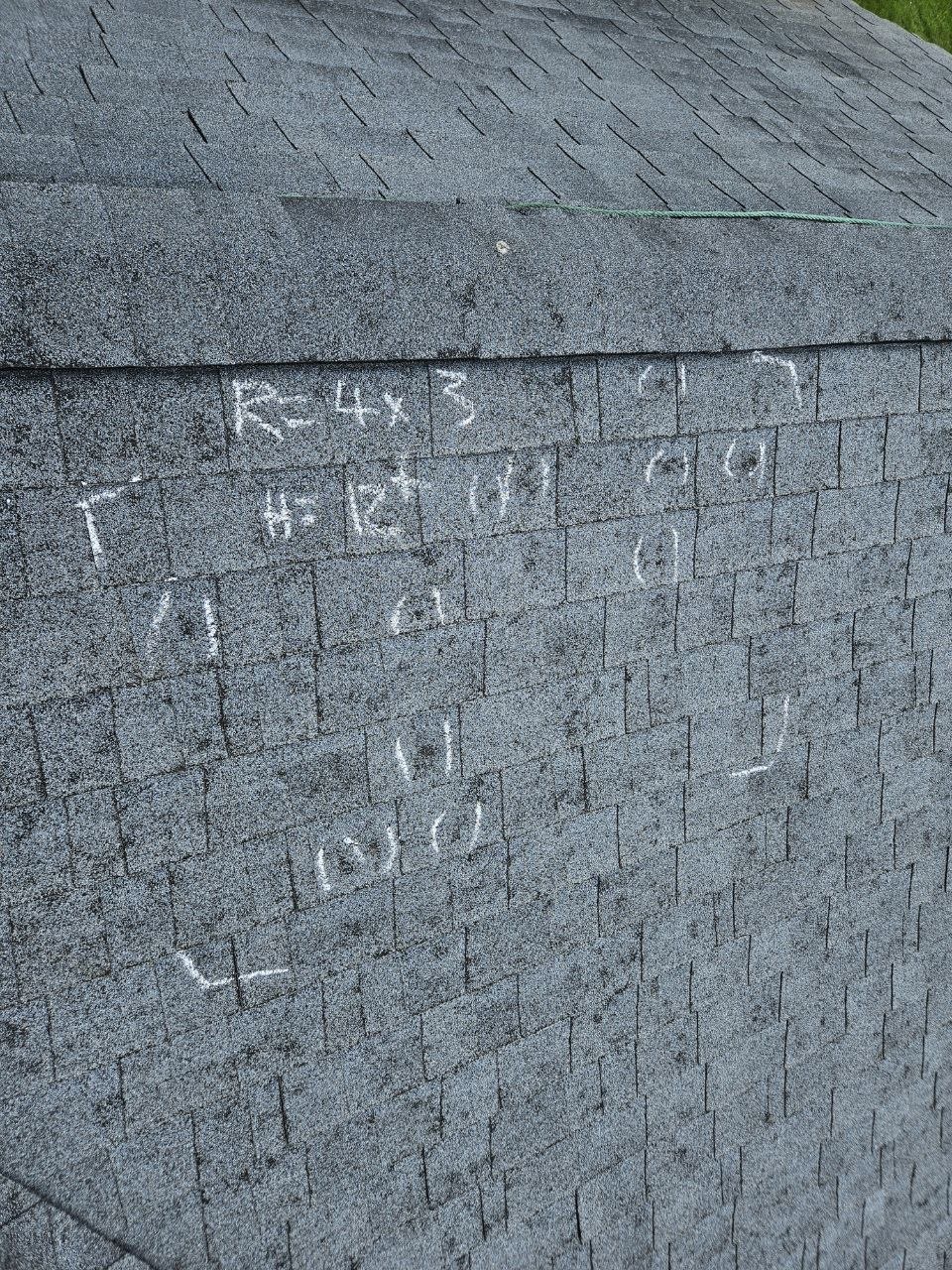
We’ve been handling storm-damaged roofs across Pennsylvania since 2012, and we’ve done over 25,000 projects with a 4.8+ average rating across more than 2,100 reviews. We’re BBB-accredited with an A+ rating, and we install with Owens Corning and GAF, the two top shingle manufacturers in the country, which means our work is backed by some of the strongest material warranties in the industry.
Here’s what to expect when you schedule:
A trained inspector comes to your home at a time that works for you, climbs the roof safely with proper fall protection, and documents everything we find with photos. We check shingles, flashing, gutters, vents, skylights, ridge caps, and the attic interior. You get a clear, plain-English report. If the damage is isolated, we’ll tell you that, and we’ll recommend repairs instead of a replacement. We strongly oppose blanket jobs and cookie-cutter fixes, and we’re not here to upsell you.
If you have an active insurance claim, or if our inspection turns up enough damage to warrant one, we’ll walk you through the process and meet your adjuster on-site if you’d like us there. That part of the job is where most homeowners feel lost, and it’s where our project managers spend the most time.
Inspections are free, no-obligation, and typically scheduled within a few days of your call.
Schedule Your Free Inspection
Schedule a free storm damage inspection for your Franklin, Cranberry, Oil City, or anywhere in Venango County home.
Or call our Western Pennsylvania office directly at (724) 765-8054.
We’ll show up when we say we will, treat your home like it’s our own, and give you a clear answer about whether you have storm damage worth acting on. That’s the standard for every job, regardless of what we find.