
Late summer and early fall often bring heavy rains and occasional strong winds to Eastern Pennsylvania, and these storms can take a toll on your home. While homeowners’ insurance typically covers many types of wind or hail damage, not all storm-related problems are included. For example, flooding from heavy rains or damage caused by poor maintenance, like clogged gutters, usually isn’t covered.
In addition, insurance companies require you to file claims within a set timeframe, which varies by carrier and policy. If you wait too long, you may have to pay for repairs out of pocket. Issues like roof leaks and overflowing gutters can also cause further damage that may not be reimbursed. Conducting a post-storm home inspection helps you spot potential issues early so you can decide if it’s time to call a professional and your insurance provider.
Roof Damage
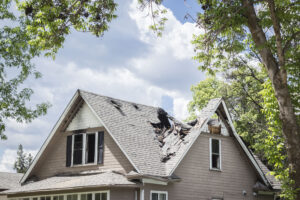
One of the most important areas to check after a storm is your roof. Missing or loose shingles can lead to roof leaks and interior water damage. Walk around your property and look for any shingles that appear out of place or for pieces that have blown off onto the ground.
After a major storm, check for granules from your shingles where your downspouts empty. A small amount of granules is normal, especially after heavy rain or if your roof is relatively new. However, finding large piles of granules may signal shingle wear or storm damage. Since granules protect shingles from sun damage, losing too many can shorten the lifespan of your roof.
Gutters and Downspouts
Heavy rains and winds can clog gutters and downspouts with sticks, leaves, and debris. When gutters overflow, water may pool around your foundation and create the risk of basement or crawlspace flooding. That’s why gutter cleaning is an essential part of fall home maintenance. If you notice overflowing gutters during a storm, schedule a cleaning right after so your system is ready for the next round of severe weather.
Windows and Siding
Late-season thunderstorms and hail can dent or crack siding and damage windows. Broken windows are easy to spot, but siding damage can be more subtle. With aluminum or steel siding, check for areas where the paint or coating has chipped off, exposing bare metal. With vinyl siding, look for chips, scratches, or cracks. Also check whether any panels are loose, since strong winds can pull them completely off during the next storm.
How to Know When You Need a Professional Inspection
Early detection of storm damage is key to avoiding larger, more expensive repairs later. If you suspect damage to your roof, gutters, siding, or windows—or if you see branches or other debris resting on your roof—it’s wise to schedule a professional inspection. You should also arrange one if your vehicle was damaged in a hailstorm. While not every hail event that dents cars will damage roofing or siding, hail large enough to leave visible vehicle damage may also cause problems to your home’s exterior.
Having your property professionally inspected gives you clear documentation of any damage, which you can share with your insurance company. Although insurers will send their own adjuster, independent documentation can help strengthen your claim and increase the likelihood of approval.a
Call The Exterior Company for Storm Repair
At The Exterior Company, our expert team is here to help you recover from storm damage to your home. From roof and gutter inspections to siding and window checks, we’ll evaluate your entire exterior and assist you in working with your insurance adjuster if you need to file a claim. We also offer emergency roof repair and can provide tarping to prevent further damage while you wait for permanent repairs. To schedule a storm damage inspection or any roofing, gutter, or siding services in Lancaster, PA or the surrounding areas, contact us today.